
Imagine stepping into a house that’s no bigger than a standard hotel room, yet contains everything you need for a comfortable stay. Welcome to the world of sustainable tiny homes—a growing movement that’s challenging our notions of what it means to live well. As someone who’s spent time exploring these compact abodes via Airbnb stays, I’ve experienced firsthand how these unique spaces can transform not just our vacations, but our entire approach to living.

The tiny home movement isn’t just about downsizing; it’s about reimagining our relationship with space, possessions, and the environment. According to a recent study by iPropertyManagement, the tiny house market is expected to grow by 8.3% between 2023 and 2030, indicating a significant shift in housing preferences. This surge in popularity isn’t surprising when you consider the myriad benefits these pint-sized dwellings offer.
In this article, we’ll explore the rise of sustainable tiny homes, their environmental impact, and how they’re reshaping the future of housing. Whether you’re a curious traveler or seriously considering making the leap to tiny living, read on—we’re about to take a journey into the big world of tiny homes.
What Are Sustainable Tiny Homes?
When we talk about sustainable tiny homes, we’re referring to compact living spaces that are designed with both environmental consciousness and efficiency in mind. These homes typically range from 100 to 400 square feet, though some can be even smaller or slightly larger. The key is that they’re intentionally small, forcing inhabitants to prioritize and make the most of every square inch.
But what makes these homes “sustainable”? It’s not just their size, though that’s certainly a factor. Sustainable tiny homes incorporate eco-friendly materials, energy-efficient appliances, and innovative design techniques to minimize their environmental footprint. Many feature solar panels, rainwater collection systems, composting toilets, and other green technologies that reduce reliance on traditional utilities.
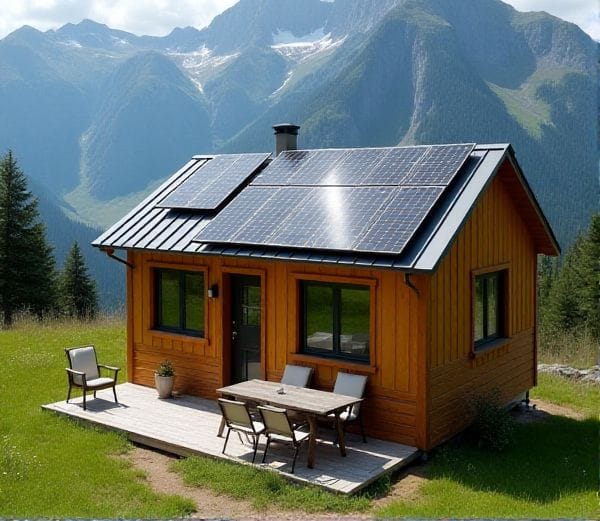
The first time I booked a tiny home was on Airbnb. It was a 200-square-foot structure nestled in the woods, and I was immediately struck by how thoughtfully designed it was. Every nook and cranny served a purpose, from the fold-down desk that doubled as a dining table to the stairs that concealed storage compartments. It was a masterclass in efficiency and intentional living, even if just for a weekend getaway.
Sustainable tiny homes come in various styles and configurations. Some are built on wheels, allowing for mobility and flexibility. Others are permanent structures, often nestled in picturesque natural settings. From rustic cabins to sleek, modern designs, there’s a tiny home to suit every taste and vacation style.
The beauty of sustainable tiny homes lies in their versatility and adaptability. They challenge us to rethink our needs and wants, encouraging a more mindful approach to consumption and living. As we’ll see in the following sections, this shift towards minimalism and sustainability can have profound effects on both individual experiences and the broader environment.
Environmental Benefits of Tiny Living
One of the most compelling arguments for sustainable tiny homes is their positive impact on the environment. Let’s break down some of the key ways these diminutive dwellings are making a big difference:
- Reduced Carbon Footprint: The smaller size of tiny homes means they require less energy to heat, cool, and power. During my stays, I’ve noticed that these homes often use a fraction of the energy a traditional house consumes. This dramatic reduction in energy use translates directly to lower carbon emissions.
- Minimal Resource Consumption: Building a tiny home requires significantly fewer materials than a conventional house. This not only conserves resources but also reduces the amount of waste generated during construction. Many tiny homes I’ve stayed in also incorporate reclaimed or recycled materials, further minimizing their environmental impact.
- Efficient Land Use: With their small footprint, tiny homes allow for more efficient use of land. This can help preserve green spaces and reduce urban sprawl. I’ve stayed in tiny home communities that showcase how these small dwellings can create charming, sustainable neighborhoods.
- Promotion of Sustainable Technologies: Many tiny homes serve as showcases for sustainable technologies. From solar panels and wind turbines to greywater systems and composting toilets, these homes often incorporate cutting-edge eco-friendly solutions that can later be scaled up for larger applications.
- Encouragement of Minimalism: Staying in a tiny home naturally encourages a minimalist lifestyle, even if just for a short period. With limited space, you’re forced to carefully consider what you bring and use. This often leads to reduced consumption and less waste overall.
- Lower Water Usage: The tiny homes I’ve experienced were equipped with low-flow fixtures, one with a rainwater collection system. Some even use composting toilets, which require no water at all. These features significantly reduce water consumption compared to traditional homes.
- Increased Mobility: For those homes on wheels, there’s the added benefit of being able to move with changing climate conditions or work opportunities, reducing the need for long commutes or energy-intensive relocations.
The environmental benefits of tiny living extend beyond just the home itself. Many fellow travelers report that their tiny home stays have made them more aware of their overall environmental impact, leading to more sustainable choices in other areas of their lives as well.
Of course, it’s important to note that the degree of environmental benefit can vary depending on the specific design and use of the tiny home. However, the overall trend is clear: sustainable tiny homes offer a path to significantly reduce our individual and collective environmental footprint, even if we’re just visiting for a short while.
Challenges and Considerations
While the benefits of sustainable tiny homes are numerous, it’s important to acknowledge that this lifestyle isn’t without its challenges. As someone who’s experienced tiny home living only briefly, I can attest that it requires adjustment and isn’t suitable for everyone. Here are some key considerations:
- Space Constraints: The most obvious challenge is the limited space. This can be particularly difficult for families or those who enjoy entertaining. During my stays, I’ve had to get creative with storage and learn to pack light.
- Zoning and Legal Issues: Many areas have minimum square footage requirements for permanent dwellings, making it difficult to legally park or build a tiny home. This can limit the locations where you can find tiny homes for short-term stays.
- Financing Difficulties: While this doesn’t directly affect short-term visitors, it’s worth noting that traditional mortgages often aren’t available for tiny homes, especially those on wheels. This can make financing tricky for owners, although some specialized lenders are beginning to offer tiny home loans.
- Resale Value: The market for tiny homes is still relatively niche, which can make reselling challenging. This is something to consider if you’re thinking about transitioning from occasional stays to full-time tiny living.
- Lifestyle Adjustments: Even for short stays, living in a tiny home often requires significant lifestyle changes. From doing dishes more frequently due to limited kitchen space to being more mindful of water and energy use, it’s a shift that takes time to adjust to.
- Weather Considerations: Tiny homes, especially those on wheels, can be more vulnerable to extreme weather conditions. I’ve experienced this firsthand during a particularly windy night in a coastal tiny home.
- Social Perceptions: While the tiny home movement is growing, there can still be stigma or misunderstanding from others who view it as an unconventional choice, even for vacations.
- Relationship Dynamics: For couples or families, the close quarters can sometimes lead to tension. It’s important to have strategies for alone time and conflict resolution, even during short stays.
- Limited Amenities: Depending on the design, you might have to sacrifice certain amenities like a full-sized oven, bathtub, or washing machine. This can take some getting used to, especially for longer stays.
- Maintenance Challenges: While there’s less space to maintain, tiny homes often require more frequent maintenance due to the intensive use of all systems and spaces. As a visitor, you might notice the extra care owners need to take in upkeep.
Despite these challenges, many tiny home visitors, myself included, find that the benefits far outweigh the drawbacks for short-term stays. The key is to go into tiny living with open eyes and realistic expectations. It’s not just about staying in a smaller space—it’s about experiencing a different lifestyle, with a mindset of intentionality and efficiency. The challenges of tiny living can become opportunities for creativity, personal growth, and a more sustainable way of vacationing.
For those considering a tiny home stay, I recommend starting with a short visit before committing to longer periods. Many tiny home communities offer weekend rentals, which can give you a taste of the lifestyle without a long-term commitment. It’s also important to read reviews and ask questions about the specific amenities and challenges of each tiny home before booking.
The Future of Sustainable Tiny Homes
As we look towards the future, it’s clear that sustainable tiny homes are more than just a passing trend. They represent a shift in how we think about housing, consumption, and our relationship with the environment. Here are some ways I believe tiny homes will continue to evolve and impact our society:
- Increased Mainstream Acceptance: As environmental concerns grow and housing affordability remains a challenge in many areas, we’re likely to see tiny homes become increasingly accepted as a legitimate housing option. This could lead to changes in zoning laws and building codes to accommodate these structures, potentially making them more accessible for both long-term residents and short-term visitors.
- Technological Advancements: The tiny home movement has already spurred innovation in space-saving furniture and multifunctional design. I expect we’ll see even more advanced technologies integrated into tiny homes, from AI-powered energy management systems to next-generation composting toilets and water recycling systems. These advancements will make stays in tiny homes even more comfortable and sustainable.
- Community Development: Tiny home villages are already emerging as a solution for affordable housing and intentional communities. I anticipate this trend will grow, with more cities and towns incorporating tiny home developments into their urban planning strategies. This could create unique opportunities for immersive, community-based travel experiences.
- Emergency and Disaster Relief: The portability and self-sufficiency of many tiny homes make them ideal for emergency housing. We may see increased use of tiny homes in disaster relief efforts and as temporary housing solutions, which could also provide unique volunteering opportunities for travelers.
- Integration with Renewable Energy: As renewable energy technologies become more efficient and affordable, we’ll likely see more tiny homes that are completely off-grid and self-sustaining. This could offer travelers the chance to experience truly eco-friendly vacations.
- Customization and Prefabrication: Advances in prefabrication techniques could make custom tiny homes more accessible and affordable. This could lead to a wider variety of designs tailored to different climates, lifestyles, and personal preferences, offering even more diverse options for short-term stays.
- Educational Tools: Tiny homes could increasingly be used as educational tools to teach about sustainability, minimalism, and conscious living. We might see more eco-tourism opportunities centered around tiny home experiences.
- Workplace Revolution: With the rise of remote work, we might see more people opting for extended stays in mobile tiny homes that allow them to travel while working. This could reshape not just housing, but how we think about work, travel, and community.
- Senior Living Solutions: Tiny homes could provide an attractive option for seniors looking to downsize while maintaining independence. We might see more retirement communities incorporating tiny home options, which could also create interesting multi-generational travel experiences.
- Urban Infill: In cities struggling with housing shortages, tiny homes could be used for urban infill, making use of small lots or even rooftops to increase housing density in a sustainable way. This could create unique urban tiny home experiences for travelers.
The future of sustainable tiny homes is bright and full of potential. I’m eager to see how it continues to evolve and influence our broader conversations about housing, sustainability, and quality of life.
Conclusion
The rise of sustainable tiny homes represents more than just a trend in housing or travel—it’s a movement that challenges our assumptions about what we need to live comfortably and happily. From reducing our environmental footprint to encouraging mindful consumption, tiny homes offer a path to a more sustainable future, even if we’re just experiencing them for a short while.
As we’ve seen, the benefits of tiny living are numerous, from lower energy consumption and reduced waste to increased financial freedom and a closer connection with our living space. However, it’s also important to recognize the challenges, from space constraints to lifestyle adjustments, that come with this choice.
Looking ahead, the future of sustainable tiny homes is full of potential. As technology advances and societal attitudes shift, we’re likely to see these compact dwellings play an increasingly important role in addressing issues of housing affordability, environmental sustainability, and community development. They may also reshape the way we think about travel and short-term accommodations.
For those intrigued by the idea of tiny living, I encourage you to explore further. Book a stay in a tiny home, talk to hosts and other guests who’ve experienced it, and consider how this lifestyle might align with your values and goals. Remember, embracing sustainability doesn’t necessarily mean moving into a tiny home—the principles of mindful consumption and efficient living can be applied in any living situation, or even just incorporated into your travel habits.
Ultimately, the tiny home movement invites us to rethink our relationship with space, possessions, and the environment. Whether you choose to live in a tiny home, stay in one for your next vacation, or simply incorporate some of its principles into your daily life, there’s value in considering how we can all live a little smaller to make a bigger positive impact on our world.