
The average American household spends about $136 monthly on electric bills (with larger homes in warm climates spending considerably more), making energy costs one of the largest recurring expenses we face. Learning how to save money on utilities has become more important than ever as energy prices continue to rise. The good news? You don’t need expensive renovations or major lifestyle changes to see significant savings on your monthly bills.
Key Takeaways: Your Path to Lower Utility Bills
- HVAC optimization saves the most money—adjust thermostats 7-8 degrees when away to reduce heating and cooling costs by up to 10%
- Water heating efficiency through temperature reduction to 120°F and low-flow fixtures can cut water heating costs by 20-30%
- LED lighting conversion uses 75% less energy than incandescent bulbs and pays for itself within months
- Smart technology integration with programmable thermostats and power strips eliminates waste automatically
- Appliance upgrades to ENERGY STAR models reduce consumption by 20-40% compared to older units
- Phantom load elimination by unplugging devices can save $100-200 annually on standby power consumption
- Pool pump optimization with variable-speed models reduces pool energy usage by 50-90% in warmer climates
The average American household spends about $136 monthly on electric bills (with larger homes in warm climates using significantly more), making energy costs one of the largest recurring expenses we face. Learning how to save money on utilities has become more important than ever as energy prices continue to rise nationwide. The good news? You don’t need expensive renovations or major lifestyle changes to see significant savings on your monthly bills.
One of the most effective approaches to reducing utility costs involves targeting specific areas of your home where energy waste commonly occurs. By implementing strategic changes room by room, you can systematically eliminate inefficiencies and watch your bills drop month after month. This comprehensive guide will walk you through proven methods to reduce energy consumption in every area of your home, from simple behavioral adjustments to smart technology upgrades that pay for themselves over time.
Whether you’re dealing with sky-high electric bills during summer months or hefty heating costs in winter, the strategies outlined here will help you take control of your energy expenses while maintaining the comfort you deserve.
- Kitchen: The Heart of Energy Consumption
- Living Room: Entertainment and Comfort Efficiency
- Bedroom: Rest and Relaxation Savings
- Bathroom: Water and Energy Conservation
- Laundry Room: Washing and Drying Efficiency
- Home Office: Productivity and Power Management
- Basement and Attic: Hidden Energy Drains
- Pool: Managing Your Biggest Outdoor Energy Consumer
- Smart Technology Integration
- Seasonal Strategies for Year-Round Savings
- Frequently Asked Questions
- Conclusion
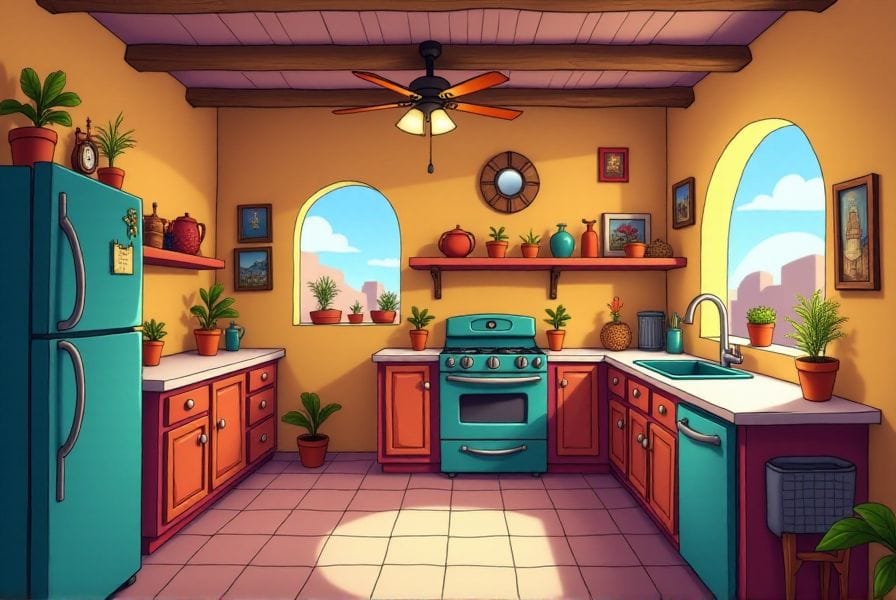
Kitchen: The Heart of Energy Consumption
Your kitchen likely accounts for 10-15% of your home’s total energy usage, making it a prime target for utility savings. The combination of major appliances, lighting, and frequent water usage creates multiple opportunities to reduce costs without sacrificing functionality.
Start with your refrigerator, which runs 24/7 and consumes more electricity than any other kitchen appliance. Set your refrigerator temperature between 37-40°F and your freezer between 0-5°F. Every degree lower than necessary can increase energy consumption by 5%. Clean the coils behind or beneath your refrigerator every six months to maintain optimal efficiency, and ensure door seals are tight by testing with a dollar bill—if it slips out easily, replace the gaskets.
Your dishwasher offers substantial savings potential when used strategically. Skip the heated dry cycle and open the door after the final rinse to air-dry dishes naturally. Run full loads whenever possible, and use the eco or energy-saver mode for lightly soiled items. Modern dishwashers are so efficient that hand-washing dishes actually uses more hot water and energy than running a full dishwasher cycle.
Cooking methods significantly impact your utility bills. During summer months, avoid using your oven during peak heat hours, as it forces your air conditioning to work harder. Instead, use smaller appliances like toaster ovens, microwaves, or slow cookers, which use 50-80% less energy than conventional ovens. When you do use your oven, cook multiple items at once and avoid opening the door frequently—each peek can reduce oven temperature by 25°F.
Water heating represents another major expense in kitchen utility costs. Install low-flow aerators on kitchen faucets to reduce hot water usage by up to 30% without affecting water pressure. Fix leaky faucets immediately—a single dripping hot water tap can waste hundreds of gallons monthly and add $35 or more to your water heating bill.
Living Room: Entertainment and Comfort Efficiency
The living room serves as the entertainment hub of most homes, housing energy-hungry devices like televisions, gaming consoles, sound systems, and various electronics. These devices, along with heating and cooling needs, create significant opportunities for utility savings when managed properly.
Modern televisions consume far less energy than older models, but their larger sizes and constant standby power draw can still impact your bills. Enable power-saving modes on your TV and gaming consoles, which can reduce energy consumption by 25-40% without noticeable performance changes. Use advanced power strips that automatically cut power to peripheral devices when the main component is turned off—this eliminates phantom loads that can add $100-200 annually to your electric bill.
Lighting plays a major role in living room energy consumption. Replace incandescent bulbs with LED alternatives, which use 75% less energy and last 25 times longer. Install dimmer switches to reduce energy usage and extend bulb life while creating ambient lighting for different activities. Take advantage of natural light during daytime hours by keeping curtains and blinds open, positioning mirrors to reflect sunlight deeper into the room.
Strategic temperature management in your living space can dramatically reduce heating and cooling costs. Program your thermostat to automatically adjust temperatures when the room is unoccupied—even a 7-8 degree adjustment for 8 hours daily can save up to 10% on annual heating and cooling costs. Use ceiling fans to circulate air, allowing you to set your thermostat 4 degrees higher in summer while maintaining the same comfort level. In winter, reverse fan direction to push warm air down from the ceiling.
Window treatments serve as your first line of defense against energy loss. Install insulated curtains or cellular shades to create an additional barrier against heat transfer. During summer, close south and west-facing window coverings during peak sun hours to reduce cooling loads. In winter, open these same coverings during sunny days to capture free solar heat, then close them at night to retain warmth.
Bedroom: Rest and Relaxation Savings
Bedrooms account for approximately 15-20% of home energy usage, primarily through heating, cooling, and electronic devices. Creating an energy-efficient sleep environment not only reduces utility costs but often improves sleep quality as well.
Temperature control represents the largest energy expense in most bedrooms. The optimal sleep temperature falls between 60-67°F, which coincidentally aligns with energy-saving recommendations for nighttime heating and cooling. Use programmable thermostats to automatically lower temperatures 30 minutes before bedtime and raise them 30 minutes before wake-up time. Layer blankets instead of cranking up the heat—adding one extra blanket can allow you to lower your thermostat by 2-3 degrees comfortably.
Electronics in bedrooms contribute significantly to standby power consumption. Unplug chargers when not in use, as they continue drawing power even without connected devices. Replace alarm clocks with smartphone apps to eliminate one more phantom load. If you must have a TV in the bedroom, use a smart power strip that cuts power completely when devices enter standby mode.
Bedroom lighting efficiency involves more than just bulb selection. Install blackout curtains or room-darkening shades to reduce reliance on artificial lighting during daytime hours while also providing superior insulation properties. Use bedside lamps with LED bulbs instead of overhead lighting for reading and other activities—task lighting uses significantly less energy than general room lighting.
Air circulation improvements can reduce both heating and cooling costs in bedrooms. Ensure vents are unobstructed by furniture, curtains, or storage items. Clean or replace HVAC filters monthly during peak usage seasons, as dirty filters force systems to work harder and consume more energy. Consider using a small fan for personal cooling instead of lowering the entire home’s temperature.
Bathroom: Water and Energy Conservation
Bathrooms present unique opportunities for utility savings through water heating reduction and ventilation efficiency. These spaces typically consume 15-20% of home energy usage, primarily from hot water heating and ventilation systems.
Hot water usage dominates bathroom energy consumption. Reduce shower time by just two minutes daily to save approximately 1,500 gallons of water and $100 in energy costs annually per person. Install low-flow showerheads that maintain pressure while using 40% less water—modern versions provide excellent performance while delivering substantial savings. Fix leaky faucets and running toilets immediately, as these issues can waste thousands of gallons monthly.
Water heater efficiency improvements yield significant bathroom savings. Lower your water heater temperature to 120°F, which provides adequate hot water while preventing scalding and reducing energy consumption by 6-10%. Insulate older water heaters with blanket kits available at hardware stores, and insulate the first six feet of hot water pipes leaving the heater to reduce heat loss during transport.
Ventilation systems in bathrooms serve important moisture control functions but can waste energy when misused. Use exhaust fans only when necessary and install timer switches to prevent fans from running longer than needed—typically 15-20 minutes after showering is sufficient. Clean fan grilles regularly to maintain efficiency and consider upgrading to ENERGY STAR certified models if your current fans are over 10 years old.
Lighting efficiency in bathrooms involves strategic placement and bulb selection. Install LED bulbs in all fixtures, as bathrooms typically require bright lighting for grooming activities. Use natural light whenever possible by keeping windows unobstructed during daytime hours. Consider motion sensor switches for middle-of-the-night use to avoid turning on bright overhead lights unnecessarily.
Laundry Room: Washing and Drying Efficiency
The laundry room houses some of your home’s most energy-intensive appliances, with clothes dryers ranking among the highest electricity consumers in typical households. Strategic use of washing machines and dryers can produce substantial utility savings without compromising cleaning effectiveness.
Washing machine efficiency starts with temperature selection. Wash clothes in cold water whenever possible—approximately 80-90% of a washing machine’s energy usage goes toward heating water. Modern detergents work effectively in cold water, and cold washing extends fabric life while preventing colors from fading. Reserve hot water washing for heavily soiled items or when sanitization is necessary.
Load management significantly impacts washing efficiency. Run full loads to maximize water and energy usage efficiency, but avoid overloading, which forces machines to work harder and may require rewashing. Use the appropriate water level setting for load size, and clean the lint filter in your washer monthly to maintain optimal performance.
Dryer efficiency improvements offer some of the most dramatic utility savings opportunities in your home. Clean the lint filter after every load—a clogged filter can increase drying time by 30% and create fire hazards. Check and clean the exterior dryer vent annually, as blocked vents force dryers to work harder and consume more energy. Use moisture sensor settings instead of timed cycles to prevent over-drying, which wastes energy and damages fabrics.
Alternative drying methods can eliminate dryer energy consumption entirely for appropriate items. Install indoor or outdoor clotheslines for air-drying when weather permits. Use drying racks for delicate items and smaller loads. During winter months, indoor drying can add beneficial humidity to heated homes while reducing dryer usage.
Home Office: Productivity and Power Management
Home offices have become energy consumption centers as remote work increases. These spaces often contain multiple electronic devices running simultaneously, creating opportunities for both energy waste and significant savings through proper management.
Computer and monitor efficiency begins with power management settings. Enable sleep mode on computers and monitors to activate after 15-30 minutes of inactivity. Modern computers use less than 5 watts in sleep mode compared to 50-250 watts during active use, and a high-end gaming PC can use significantly more, even when not being used for gaming. Shut down computers completely at the end of each workday rather than leaving them on overnight—contrary to popular belief, frequent shutdowns don’t harm modern computers and save substantial energy.
Printer and peripheral device management contributes to office energy efficiency. Turn off printers, scanners, and other peripherals when not in use, as these devices often consume significant standby power. Use advanced power strips that automatically cut power to peripherals when the main device is turned off. Consider network-attached printers that can serve multiple devices efficiently instead of individual desktop printers.
Lighting optimization in home offices involves balancing productivity needs with energy efficiency. Position desks near windows to maximize natural light usage during daytime hours. Use task lighting for specific activities instead of overhead room lighting whenever possible. Install LED bulbs in all fixtures and consider adjustable desk lamps that direct light precisely where needed.
Climate control in home offices can be managed more efficiently than whole-house systems. Use space heaters or fans to condition only the office area when working, allowing you to adjust the main thermostat for unoccupied areas. Ensure proper insulation around windows and doors to prevent energy loss. Close office doors when heating or cooling to contain conditioned air.
Basement and Attic: Hidden Energy Drains
Basements and attics often harbor significant energy waste through poor insulation, air leaks, and inefficient systems. These areas require special attention because problems here affect your entire home’s energy efficiency.
Insulation assessment and improvement in these areas provides some of the highest returns on energy-saving investments. Check attic insulation levels—most homes need 10-14 inches of insulation for optimal efficiency. Add blown-in insulation if levels are insufficient, focusing on areas around recessed lights, plumbing penetrations, and electrical boxes where gaps commonly occur. Basement insulation should focus on walls and rim joists, which are common sources of air infiltration.
Air sealing in basements and attics prevents conditioned air from escaping and unconditioned air from entering your living spaces. Use weatherstripping around basement doors and windows, and seal gaps around pipes, ducts, and electrical penetrations with expandable foam or caulk. In attics, seal air leaks around light fixtures, exhaust fans, and access panels. These improvements can reduce heating and cooling costs by 10-20%.
HVAC system efficiency depends heavily on proper ductwork in these spaces. Inspect ducts for disconnections, tears, or crushed sections that reduce airflow and waste energy. Seal duct joints with mastic or metal tape (never standard duct tape, which degrades over time). Insulate ducts in unconditioned spaces to prevent energy loss during air transport.
Hot air in the attic can be transferred to the floor below it, especially with inadequate insulation. This has the effect of activating the AC even at night. If you have a whole house fan, run it at dusk every day for an hour or so, and for 10-15 minutes in the morning if possible. This can be automated by installing a timer, and the sound will act as a reminder to open a few windows. The fan will draw the cooler outside air through the house and into the attic, which then forces the hot air out of attic vents.
Water heater and mechanical system optimization in basements offers additional savings opportunities. Insulate hot water pipes to reduce heat loss during transport. Service heating and cooling systems annually to maintain peak efficiency. Replace old, inefficient systems with ENERGY STAR models when replacement becomes necessary—modern systems use 20-40% less energy than units from the 1990s.
Pool: Managing Your Biggest Outdoor Energy Consumer
Swimming pools represent one of the largest outdoor energy expenses for homeowners, with pool pumps alone accounting for 10-20% of total household electricity usage in warmer climates. Pool equipment operates year-round in many regions, making energy efficiency improvements particularly valuable for long-term utility savings.
Pool pump optimization offers the most significant savings opportunity in pool energy management. Traditional single-speed pumps run at full capacity regardless of actual needs, consuming 1,500-2,500 watts continuously. Replace old pumps with variable-speed models that adjust motor speed based on demand—these ENERGY STAR certified pumps can reduce pool energy consumption by 50-90% while providing superior water circulation and filtration.
Operating schedule adjustments can dramatically reduce pool energy costs without compromising water quality. Run pumps during off-peak electricity hours when utility rates are lowest, typically late evening or early morning. In warmer climates where longer operation prevents algae buildup, consider running pumps for shorter periods at higher speeds rather than continuous low-speed operation, as this often provides better energy efficiency.
Solar pool heating systems eliminate the need for electric or gas pool heaters while extending swimming seasons. Solar collectors installed on rooftops or ground-mounted systems can raise pool temperatures 8-15 degrees using only the sun’s energy. These systems typically pay for themselves within 2-4 years through eliminated heating costs and can last 15-20 years with minimal maintenance.
Pool cover usage represents one of the most cost-effective energy conservation measures available. Covers reduce evaporation by 90%, which eliminates the need for frequent water heating and reduces chemical usage. Automatic covers provide convenience while ensuring consistent use—uncovered pools can lose 1-3 inches of water weekly through evaporation, requiring constant reheating of replacement water.
LED pool lighting conversion reduces lighting energy consumption by 75-85% compared to traditional incandescent pool lights. Modern LED systems offer color-changing capabilities and longer lifespans while consuming minimal electricity. Install timers or smart controls to ensure lights operate only when needed.
Smart Technology Integration
Smart home technology has revolutionized how we manage energy consumption, offering automated solutions that optimize usage without requiring constant attention. These systems provide both convenience and substantial utility savings when properly implemented.
Smart thermostats represent the most impactful smart home energy investment for most households. These devices learn your schedule and preferences, automatically adjusting temperatures for optimal comfort and efficiency. Advanced models can detect occupancy, adjust for weather conditions, and provide detailed energy usage reports. The average smart thermostat saves 10-15% on heating and cooling costs, paying for itself within 1-2 years.
Smart lighting systems extend beyond simple on/off control to include dimming, scheduling, and occupancy sensing. Install smart switches and bulbs that can be programmed to turn off automatically when rooms are unoccupied. Use daylight sensors to adjust artificial lighting based on available natural light. Create lighting schedules that align with your daily routines to eliminate unnecessary usage.
Smart power strips and outlets provide granular control over electronic device consumption. These devices can monitor individual appliance usage, set schedules for automatic shutoff, and eliminate phantom loads from devices in standby mode. Some models can be controlled remotely, allowing you to turn off forgotten devices from anywhere.
Energy monitoring systems provide real-time feedback about your home’s electricity usage, helping identify energy-hungry devices and usage patterns. Whole-house monitors connect to your electrical panel and provide detailed consumption data accessible through smartphone apps. This information empowers you to make informed decisions about energy usage and track the effectiveness of conservation measures.
Seasonal Strategies for Year-Round Savings
Energy-saving strategies must adapt to seasonal changes, as heating and cooling demands shift throughout the year. Implementing season-specific approaches maximizes utility savings while maintaining comfort in all weather conditions.
Winter energy conservation focuses primarily on heating efficiency and heat retention. Before cold weather arrives, have your heating system serviced and replace filters. Reverse ceiling fans to push warm air down from ceilings. Use programmable thermostats to lower temperatures when sleeping or away from home—each degree of reduction saves approximately 3% on heating costs. Open curtains and blinds during sunny days to capture free solar heat, then close them at night to retain warmth.
Spring preparation involves transitioning from heating to cooling mode while taking advantage of mild weather for maintenance tasks. Clean or replace HVAC filters, schedule air conditioning tune-ups, and test systems before peak summer demand. Use natural ventilation through open windows during pleasant weather to reduce reliance on mechanical heating and cooling. This is also an ideal time for energy audits and insulation improvements.
Summer cooling strategies emphasize reducing heat gain and optimizing air conditioning efficiency. Close blinds and curtains during peak sun hours, especially on south and west-facing windows. Use fans to circulate air and create wind chill effects that allow higher thermostat settings. Cook outdoors when possible to avoid adding heat to your home’s interior. Schedule high-energy activities like laundry during cooler morning or evening hours.
Fall winterization prepares your home for the heating season while extending cooling system efficiency during warm autumn days. Seal air leaks around windows and doors, add weatherstripping where needed, and ensure storm windows are properly installed. Clean gutters and downspouts to prevent ice dams that can affect home insulation. Schedule heating system maintenance and stock up on filters for the heating season.
Frequently Asked Questions
What is the biggest drain on an electric bill?
Heating and cooling systems typically account for 40-50% of most electric bills, making HVAC equipment the largest single energy consumer in most homes. Water heating ranks second at approximately 15-20% of usage. A pool pump running at high speed can use more than 2,000 watts.
How can I tell what is draining my electricity?
Use a kill-a-watt meter to measure individual appliance consumption, or install a whole-house energy monitoring system. Many utilities also provide detailed usage breakdowns through online portals or smart meter data.
What appliances use the most electricity?
Besides HVAC systems, electric water heaters, clothes dryers, refrigerators, and electric ovens consume the most electricity. Electronics and lighting collectively can also represent significant usage.
Why is my electric bill so high when I’m not home?
Phantom loads from electronics in standby mode, continuous appliance operation (refrigerators, water heaters), pool pumps, and HVAC systems maintaining temperatures while away are common causes of energy usage in empty homes.
Does unplugging stuff save electricity?
Yes, unplugging devices eliminates phantom loads that can account for 5-10% of household electricity usage. Focus on electronics, chargers, and appliances with digital displays or remote controls.
What uses the most electricity at night?
Water heaters, refrigerators, HVAC systems, and electronics left in standby mode consume the most electricity during nighttime hours when most other devices are turned off.
How can I eliminate my electric bill?
Depending on the climate in your area, it is possible for a solar system to provide enough power that your electric bill will remain in the negative (in other words, you'll have a credit) throughout the year. Even if you need a loan to purchase the system, the payments will likely be lower than the average monthly bill from your utility company. Because the loan payment will be a fixed amount, they also make budgeting easier. Be sure to shop around for both the system and the loan, as prices and terms vary significantly.
Conclusion
Learning how to save money on utilities requires a systematic approach that addresses energy waste throughout your entire home. The room-by-room strategies outlined in this guide provide a comprehensive framework for reducing utility costs while maintaining comfort and convenience. From simple behavioral changes like adjusting thermostat settings to smart technology investments that automate energy savings, these proven methods can significantly reduce your monthly bills.
The key to success lies in consistent implementation and regular monitoring of your progress. Start with the easiest and most cost-effective measures, such as replacing light bulbs with LEDs and adjusting water heater temperatures. Gradually work toward larger improvements like smart thermostats and insulation upgrades that provide long-term savings. Remember that small changes compound over time—even modest improvements in each room can result in substantial overall reductions in your utility expenses.
Take action today by implementing one or two strategies from each room in your home. Track your energy usage through utility bills or monitoring systems to measure progress and identify additional opportunities for savings. With dedication and the right approach, you can take control of your energy costs and enjoy lower utility bills month after month.


