
According to the National Association of Realtors, 83% of buyers’ agents say staging helps clients visualize the property as their future home. Home staging tips aren’t just helpful suggestions—they’re essential strategies that can dramatically impact how quickly your property sells and for how much. As a homeowner preparing to list your property, understanding effective home staging techniques can mean the difference between a home that lingers on the market and one that sparks a bidding war.
Key Takeaways: Essential Home Staging Success Strategies
- Declutter and depersonalize first – Remove personal items, excess furniture, and clutter to help buyers envision themselves in the space
- Follow the 3-foot rule – Maintain at least three feet of walking space in high-traffic areas to make rooms feel spacious and accessible
- Focus on kitchen and bathrooms – These high-impact rooms heavily influence buyer decisions and deserve priority attention
- Maximize natural light – Clean windows, use light-filtering treatments, and add strategic lighting to create bright, welcoming spaces
- Invest in neutral paint – Fresh neutral colors provide the highest return on investment and appeal to the broadest buyer base
- Create strong curb appeal – First impressions matter, so ensure your exterior welcomes buyers before they enter
- Stage key rooms completely – Rather than spreading efforts thin, focus resources on living room, primary bedroom, kitchen, and entryway
- Maintain show-ready condition – Develop systems to keep your staged home presentation-perfect throughout the selling period
- The Power of First Impressions: Why Home Staging Matters
- Preparing Your Home: The Foundation of Successful Staging
- The Art of Furniture Arrangement: Maximizing Space and Flow
- Strategic Lighting: Creating Ambiance and Highlighting Features
- Color Psychology and Textiles: Setting the Emotional Tone
- Kitchen and Bathroom Staging: Focus on High-Return Spaces
- Curb Appeal: Making a Memorable First Impression
- Budget-Friendly Staging: Maximum Impact for Minimal Investment
- Working with Professional Stagers: When and How to Hire Help
- Virtual Staging Possibilities: Digital Alternatives for Modern Markets
- Maintaining Your Staged Home: Living in a Show-Ready Space
- Frequently Asked Questions
- Conclusion: The Lasting Impact of Thoughtful Home Staging
The Power of First Impressions: Why Home Staging Matters
Home staging transforms your lived-in space into a marketable product that appeals to the broadest range of potential buyers. Unlike interior decorating, which reflects personal style, staging strategically highlights your home’s strengths while minimizing its weaknesses. The goal is to create a neutral yet inviting canvas where buyers can envision their future life unfolding.
Throughout this guide, we’ll walk through room-by-room staging strategies, explore budget-friendly options for maximum impact, and reveal professional techniques that can elevate your home’s appeal. Whether you’re planning to stage your property yourself or considering hiring a professional, these comprehensive home staging tips will help you present your home in its best possible light.
Preparing Your Home: The Foundation of Successful Staging
Before arranging furniture or selecting decor, proper preparation lays the groundwork for effective home staging. This critical first phase often determines how successful your subsequent staging efforts will be.
Start with a thorough decluttering of every space. Removing personal items, excess furniture, and accumulated belongings serves multiple purposes: it makes rooms appear larger, helps buyers focus on the property rather than your possessions, and begins the mental separation process that sellers need to undertake. Pack away family photos, collections, and personal mementos—these items, while meaningful to you, can distract potential buyers from seeing themselves in the space.
Next, conduct a deep cleaning that goes beyond your regular routine. Pay special attention to often-overlooked areas like baseboards, ceiling fans, grout lines, and inside cabinets. Buyers will inspect these spaces carefully, and dirt or grime can suggest neglect throughout the property. Consider professional carpet cleaning and window washing to further enhance the fresh, well-maintained feeling.
Address necessary repairs, no matter how minor. Dripping faucets, cracked switch plates, squeaky doors, and scuffed walls might seem insignificant to you after years of living with them, but they register as immediate red flags to buyers. These small issues can create the impression that larger, unseen problems might exist. Investing time and resources to fix these minor issues now can prevent them from becoming negotiation points later.
Finally, neutralize your home by repainting bold-colored walls in contemporary neutral shades. While your bright red dining room might have suited your personality perfectly, neutral tones help buyers envision their own style in the space. Current trends favor soft grays, warm beiges, and crisp whites that create a bright, welcoming atmosphere while maximizing the perception of space.
The Art of Furniture Arrangement: Maximizing Space and Flow
Furniture arrangement fundamentally shapes how potential buyers experience your home. Strategic placement can make rooms feel larger, highlight architectural features, and create an intuitive flow that guides visitors through the space naturally.
The 3-foot rule stands as a cornerstone of home staging: maintain at least three feet of walking space in high-traffic areas. This principle ensures rooms feel spacious rather than cramped and allows multiple people to move comfortably during showings. In practice, this might mean removing furniture pieces that interrupt natural pathways or repositioning larger items to create clear circulation routes.
When arranging furniture, identify and emphasize each room’s focal point—whether it’s a fireplace, a stunning view, or an architectural feature. Position your largest piece (typically the sofa in living rooms or the bed in bedrooms) to complement this focal point rather than compete with it. This creates a natural anchor for the room and helps establish a clear purpose for the space.
For smaller rooms, consider the scale of your furniture carefully. Oversized pieces can overwhelm limited square footage, while appropriately sized furniture enhances the perception of space. Floating furniture away from walls—even by just a few inches—can actually make rooms feel larger and more intentionally designed. This technique works particularly well in living rooms, where creating conversation areas promotes a sense of intimacy and functionality.
In multipurpose spaces, clearly define zones through furniture groupings. For example, in an open-concept area, use a rug to anchor a seating arrangement and visually separate it from the dining space. This helps buyers mentally organize the space and understand how it can accommodate various activities without feeling chaotic.
Remember that negative space—areas intentionally left empty—plays a crucial role in successful staging. Every inch doesn’t need to be filled; strategic emptiness creates breathing room that makes your home feel more expansive and peaceful. This principle applies particularly to shelving, countertops, and tabletops, where restraint in styling creates a clean, uncluttered appearance.
Strategic Lighting: Creating Ambiance and Highlighting Features
Effective lighting transforms the mood and perception of your home, yet it remains one of the most underutilized home staging tips. A thoughtfully lit home feels welcoming, spacious, and well-maintained—all qualities that attract potential buyers.
Implement a three-layer lighting approach in each room: ambient (general illumination), task (functional lighting for specific activities), and accent (highlighting architectural features or art). This layered strategy creates depth and visual interest while ensuring spaces feel adequately bright. In practice, this might mean adding floor or table lamps to complement overhead fixtures, installing under-cabinet lighting in kitchens, or placing strategic uplights to showcase textured walls or ceiling details.
Maximize natural light by removing heavy window treatments or replacing them with sheer, light-filtering options. Clean windows thoroughly—inside and out—to allow maximum daylight penetration. Position mirrors strategically to reflect outdoor light deeper into rooms, particularly in naturally darker areas of your home.
For showings and open houses, establish a consistent lighting temperature throughout your home. Mixing very warm (yellowish) and cool (bluish) bulbs creates jarring transitions between spaces. Opt for soft white bulbs (2700-3000K) that create a warm, inviting atmosphere without the harsh quality of cooler LEDs. Ensure all fixtures have functioning bulbs of appropriate brightness—dark corners or blown bulbs suggest neglect.
Consider the time of day when showings typically occur and adjust your lighting plan accordingly. Homes shown primarily in evenings require more thoughtful artificial lighting, while daytime showings should maximize natural light supplemented by strategic accent lighting to prevent shadowy areas.
Pay special attention to outdoor lighting, which enhances security perceptions and extends living space visually. Path lights, gentle facade uplighting, and well-lit entryways create a welcoming first impression for evening viewings and suggest the home has been thoughtfully maintained throughout.
Color Psychology and Textiles: Setting the Emotional Tone
The strategic use of color and textiles significantly influences how potential buyers respond emotionally to your home. These elements create atmosphere, direct attention, and can make spaces feel larger, cozier, or more luxurious.
When selecting a color palette for staging, contemporary neutral bases provide versatility while avoiding the blandness of stark white. Soft grays, warm taupes, and gentle creams create a sophisticated backdrop that appeals to the widest audience. These neutrals allow architectural features to shine while providing a clean canvas for buyers to envision their own belongings.
Introduce controlled color through accessories rather than permanent elements. Throw pillows, artwork, and decorative objects can introduce trendy colors without overwhelming the space or limiting buyer appeal. This approach allows you to incorporate current design trends—like the popular sage greens or terracotta tones—without committing to them in ways that might quickly date your home.
Textiles add essential texture, warmth, and acoustic comfort to staged spaces. Layer different materials to create visual and tactile interest—perhaps a linen sofa with velvet pillows and a textured throw, or crisp cotton bedding with a chunky knit blanket. These thoughtful combinations elevate the perceived value of your home while creating an inviting atmosphere.
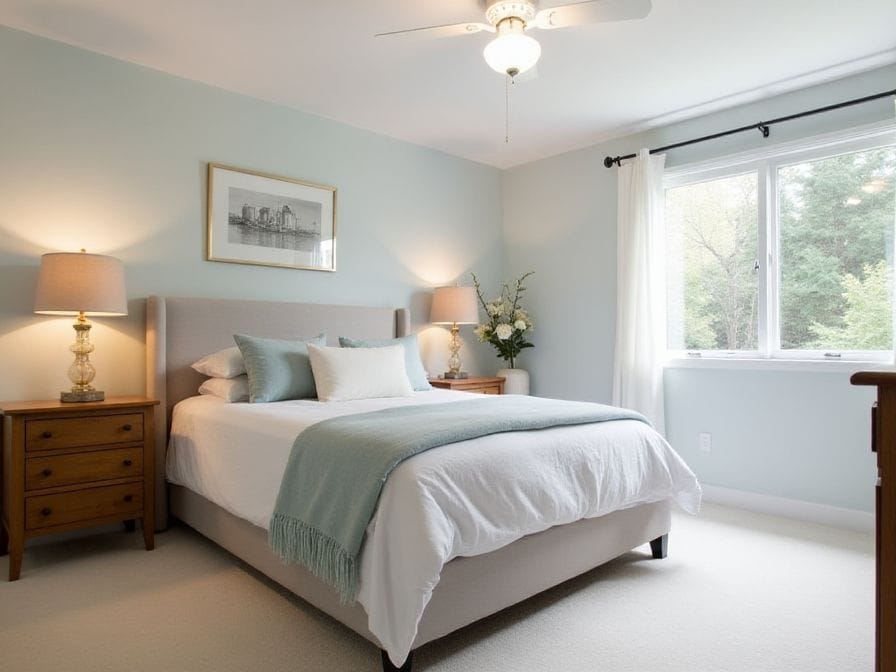
In bedrooms, invest in high-quality bedding that creates a hotel-like experience. Crisp white linens with subtle texture, properly pressed and layered with a few decorative pillows, communicate cleanliness and luxury. Avoid overly fussy bedding with excessive pillows, which can feel dated and impractical.
Area rugs serve multiple staging functions: defining spaces within open floor plans, adding warmth to hard surfaces, reducing echo in empty rooms, and introducing pattern or color. Select appropriately sized rugs that allow furniture legs to rest either completely on or off the surface, avoiding awkward half-on/half-off arrangements that create visual tension.
Window treatments should frame views without obstructing natural light. Simple, ceiling-mounted panels hung wide of window frames create the illusion of larger windows and higher ceilings while softening the room’s acoustics. Avoid heavy drapes that darken spaces or outdated treatments like valances that can date your property.
Kitchen and Bathroom Staging: Focus on High-Return Spaces
Kitchens and bathrooms often determine selling success, as buyers place premium value on these functional spaces. Even without renovation, strategic staging can dramatically improve their appeal.
In kitchens, create expansive counter space by removing all but a few carefully selected decorative items. A minimalist approach suggests ample working area—a top priority for most buyers. Consider a simple vignette of a cookbook on a stand, a small plant, and perhaps a canister of cooking utensils to suggest functionality without clutter.
Deep clean appliances until they sparkle, paying special attention to range hoods, refrigerator seals, and oven interiors. For dated appliances, consider cost-effective updates like appliance paint or new hardware rather than full replacements. Even minor freshening can significantly impact buyer perception.
Replace worn cabinet hardware for an immediate facelift. Contemporary pulls and knobs in finishes that complement your existing fixtures can modernize even older cabinetry at minimal cost. For cabinets with good bones but tired finishes, painting or refinishing can deliver substantial return on investment.
Style open shelving or glass-front cabinets with monochromatic dish collections, removing mismatched items that create visual chaos. The restraint of a cohesive color scheme communicates thoughtful organization and care—qualities buyers associate with well-maintained homes.
In bathrooms, create a spa-like atmosphere through strategic accessories and immaculate cleanliness. Invest in fresh, high-quality white towels, displayed with hotel-like precision. Add natural elements like a wooden stool, bamboo bath tray, or small potted plant to warm sterile surfaces and suggest a retreat-like environment.
Clear countertops of personal care items, storing necessities in attractive containers if they must remain visible. Replace tired shower curtains with fresh white versions, and consider glass doors for tubs if your budget allows—they instantly modernize the space while making it appear larger.
Address grout issues, which buyers scrutinize as indicators of overall home maintenance. Professional cleaning can rejuvenate grout lines, while more significant problems might warrant regrouting or caulking to create a fresh appearance. These relatively inexpensive updates can dramatically change bathroom perception.
Curb Appeal: Making a Memorable First Impression
The journey to selling your home begins at the curb, where prospective buyers form critical first impressions that color their entire viewing experience. Investing in curb appeal delivers exceptional return by ensuring buyers arrive with positive expectations.
Start with landscape basics: well-trimmed grass, edged walkways, and weed-free beds create a maintained appearance that suggests care throughout the property. Seasonal color through container plantings adds vibrancy without requiring extensive gardening knowledge—place pots strategically near the entrance to draw attention to the home’s entry point.
Evaluate your front door, which serves as the focal point of your home’s exterior. A fresh coat of paint in a welcoming yet appropriate color can transform your entrance. Current trends favor statement colors like classic navy, forest green, or even black for the right architectural style, while traditional homes benefit from heritage colors that complement their character.
Update exterior lighting fixtures if they appear dated or worn. This relatively inexpensive change modernizes your home’s appearance while enhancing safety and security perceptions. Ensure all exterior lights function properly and provide adequate illumination for evening showings.
Consider the condition of your driveway and walkways, which frame the approach to your home. Power washing can remove years of stains and organic growth, while crack filler and resurfacing products offer cost-effective solutions for more significant issues. These horizontal surfaces occupy substantial visual space and significantly impact perceived home maintenance.
Don’t overlook small details: new house numbers in a contemporary style, a fresh doormat, and clean windows create a cohesive, well-tended appearance. Remove seasonal decorations outside their appropriate timeframe, and ensure any visible utility areas appear organized and maintained.
If your budget permits, consider the impact of fresh mulch in planting beds—this simple addition refreshes the entire landscape with minimal effort and expense. The contrast between dark mulch and green plantings creates definition and suggests intentional landscape design rather than basic maintenance.
Budget-Friendly Staging: Maximum Impact for Minimal Investment
Effective home staging doesn’t necessarily require significant financial investment. Strategic focus on high-impact areas can deliver impressive results without emptying your wallet.
Prioritize the main living areas, primary bedroom, and entryway, which form the strongest impressions on buyers. If your budget limits comprehensive staging, concentrate resources on these spaces rather than attempting to thinly spread improvements throughout the entire property. A few perfectly staged rooms create a more positive impression than many mediocre spaces.
Leverage what you already own by repurposing furniture and accessories from throughout your home. The goal is creating ideally staged spaces for photos and showings, not maintaining practical living arrangements. That bookshelf from your office might provide exactly the storage solution your living room needs, while dining room accessories could elevate your guest bathroom vignettes.
For necessary purchases, explore budget-friendly sources like secondhand stores, online marketplaces, and discount retailers. Remember that with proper styling, even inexpensive items can create high-end impact. Simple white bedding from a discount store, when properly pressed and layered, creates the same luxurious impression as more expensive alternatives.
Paint delivers exceptional return on investment, transforming entire rooms for the cost of a few gallons and some sweat equity. Focus on spaces where outdated or bold colors might distract buyers, prioritizing main living areas and rooms with the most visual impact in listing photos.
Consider rental options for key furniture pieces if your home is vacant or lacks appropriately scaled items for important rooms. Many staging companies offer furniture rental packages specifically designed for sellers, often at more reasonable rates than purchasing new items that may not suit your next home.
DIY simple updates that refresh without requiring professional skills. Changing cabinet hardware, swapping dated light fixtures for contemporary alternatives, or painting tired furniture can transform spaces with minimal expense. Focus on items that occupy significant visual space or that buyers interact with directly, like door handles and faucets.
Working with Professional Stagers: When and How to Hire Help
While many home staging tips can be implemented independently, professional stagers offer expertise, objectivity, and resources that can maximize your property’s appeal in competitive markets.
Professional staging becomes particularly valuable when selling vacant properties, luxury homes, challenging layouts, or properties that have been on the market without success. The investment typically ranges from $800 to $3,000 for consultation and partial staging services, with full vacant property staging commanding higher rates based on home size and market tier. While significant, this investment typically delivers returns through faster sales and higher offers that outweigh the initial cost.
When selecting a home stager, look for professionals with verifiable credentials, strong portfolios of similar properties, and clear communication about their process and pricing. Review their previous work to ensure their aesthetic aligns with your property’s style and target market. The best stagers adapt their approach to each home rather than imposing a signature look regardless of architecture or neighborhood context.
Most professional stagers offer tiered service options, from consultation-only packages to full-service staging. Consultation services typically include detailed room-by-room recommendations that you implement independently, while full-service options include furniture, accessories, and installation. For occupied homes, stagers often work with a combination of your existing pieces supplemented by their inventory to refresh the space without replacing everything.
Consider timing strategically when engaging professional services. Ideally, staging should occur before listing photos are taken, as these images drive online interest and showing requests. Allow adequate lead time—typically at least two weeks before going to market—for implementation and any adjustments needed after the initial installation.
Professional stagers bring valuable objectivity to the preparation process. Their distance from your personal connection to the home allows them to evaluate spaces purely from a marketing perspective, identifying issues you might overlook after years of living with them. This fresh perspective often uncovers simple changes with significant impact that homeowners might miss.
Virtual Staging Possibilities: Digital Alternatives for Modern Markets
As digital home shopping becomes increasingly prevalent, virtual staging offers a contemporary alternative to traditional physical staging, particularly for vacant properties or those needing significant updating.
Virtual staging uses photo editing technology to digitally insert furniture, decor, and even updated finishes into images of empty or outdated rooms. The results, when professionally executed, create realistic visualizations that help online buyers appreciate a property’s potential without physical changes to the space.
This approach offers several advantages: significantly lower cost than physical staging (typically $25-100 per room rather than hundreds or thousands), the ability to display multiple style options for the same space, and no disruption to your living arrangements while selling. It proves particularly valuable for vacant properties, where empty rooms make scale and purpose difficult for buyers to interpret online.
For successful virtual staging, start with high-quality, well-lit photographs taken from advantageous angles that showcase the room’s dimensions and features. Professional real estate photography provides the best foundation for virtual staging, as poor original images will limit the quality of the final product regardless of the virtual staging technique.
Choose a reputable virtual staging provider with a portfolio demonstrating realistic results. Quality varies significantly, with poor execution creating obviously fake images that can damage rather than enhance your listing’s credibility. Request samples of their work and references from previous clients before committing.
When using virtual staging, transparency remains essential. Clearly mark virtually staged images as such in your listing to avoid disappointment during actual showings. Many sellers find success by displaying both the vacant room and its virtually staged counterpart side by side, allowing buyers to appreciate the potential while maintaining realistic expectations.
Consider providing printed versions of virtually staged rooms during showings, either as take-away marketing materials or displayed in the actual spaces they represent. This bridges the gap between online promise and physical reality, helping buyers envision possibilities while standing in empty rooms.
Maintaining Your Staged Home: Living in a Show-Ready Space
Perhaps the most challenging aspect of home staging involves maintaining that picture-perfect appearance while continuing to live in your property. With some practical systems, you can balance daily life with showing readiness.
Develop a pre-showing checklist that prioritizes high-impact tasks requiring minimal time. Focus on clearing countertops, making beds, tucking away personal items, and addressing obvious clutter. This targeted approach proves more sustainable than attempting comprehensive cleaning before each showing.
Create designated “hiding spots” for daily essentials—decorative boxes, ottomans with storage, or dedicated closets where everyday items can be quickly stashed before showings. These concealed storage solutions allow you to maintain appearances without completely disrupting your routine.
Implement daily maintenance routines rather than marathon cleaning sessions. Wiping kitchen and bathroom surfaces nightly, immediately returning items to designated locations, and briefly running a vacuum through main living areas makes pre-showing preparation less overwhelming than starting from chaos.
Consider temporarily simplifying your lifestyle while selling. Using fewer dishes, limiting cooking with strong odors, and rotating seasonal clothing to off-site storage reduces daily management requirements. While sometimes inconvenient, remember this situation is temporary and serves the greater goal of selling your property advantageously.
For families with children, involve everyone in the maintenance process with age-appropriate responsibilities. Special “showing boxes” where toys can be quickly collected make the process more manageable, while explaining the importance of presentation helps children understand these temporary inconveniences.
Work with your real estate agent to establish reasonable showing protocols that respect your need for preparation time. Most buyers understand that occupied homes require some notice, and setting parameters like “two-hour minimum notice” can provide the margin needed to ensure your home shows at its best.
Frequently Asked Questions
What is the 3-foot rule in home staging?
The 3-foot rule refers to maintaining at least three feet of clear walking space in high-traffic areas. This ensures rooms feel spacious rather than cramped and allows potential buyers to move comfortably through the home during showings without navigating around furniture obstacles.
Who typically pays for home staging?
In most markets, the seller covers home staging costs as part of their selling preparation expenses. However, in competitive luxury markets, some real estate agents include basic staging services in their marketing package. Staging costs can sometimes be negotiated into the agent’s commission structure, particularly for vacant properties where staging dramatically impacts marketability.
What is the rule of three in home staging?
The rule of three in home staging suggests that decorative items should be grouped in odd numbers, particularly threes, for maximum visual appeal. This principle applies to tabletop vignettes, bookshelf styling, and accessory arrangement. Odd-numbered groupings create more visual interest and dynamic energy than even-numbered arrangements, which can appear too symmetrical and static.
Is staging an empty house worth it?
Yes, staging an empty house is typically worth the investment. Vacant homes often sell for 1-5% less than comparable staged properties and remain on the market significantly longer. Empty rooms appear smaller than furnished ones and make it difficult for buyers to gauge scale or envision furniture placement. The investment in even minimal staging—focusing on key rooms like the living room, primary bedroom, and dining area—typically delivers returns through higher offers and faster sales.
How much value does home staging add?
According to the National Association of Realtors, staged homes typically sell for 1-5% more than unstaged homes in the same market. On a $400,000 home, this represents a potential $4,000-$20,000 increase in sale price. Additionally, staged homes typically sell 73% faster than their unstaged counterparts, reducing carrying costs like mortgage payments, utilities, and property taxes during the selling period.
Should you set the table when staging a home?
Setting the dining table when staging a home depends on your specific property and target market. For everyday showings, a minimalist approach with simple placemats and perhaps a centerpiece creates a cleaner, more spacious appearance while suggesting functionality. For luxury properties or formal dining rooms, a more elaborate table setting might be appropriate. The key is balance—suggesting how the space functions without creating visual clutter or an overly contrived appearance.
What is the most important room when selling a house?
The kitchen consistently ranks as the most influential room when selling a house. Buyers often make purchase decisions based primarily on kitchen appeal, as it represents both a significant gathering space and a major renovation expense if unsatisfactory. After the kitchen, the primary bedroom and main living area carry the most weight in buyer decision-making, followed by primary bathrooms and entryways.
How do you stage a home on a budget?
Budget-friendly staging focuses on thorough cleaning, decluttering, and strategic use of existing items. Prioritize paint as your main investment, focusing on outdated or bold-colored walls in key spaces. Rearrange furniture to maximize space and flow, borrow items from friends or family to fill gaps, and use inexpensive fresh accessories like throw pillows, towels, and plants to update tired spaces. Concentrate resources on the kitchen, living room, primary bedroom, and entryway for maximum impact with limited funds.
Is home staging stressful?
Home staging can create temporary stress as it requires maintaining an idealized version of your home while still living in it. The process of decluttering often involves emotional decisions about possessions, and keeping spaces show-ready demands consistent effort. However, proper planning, realistic expectations, and focusing on the end goal—selling your property advantageously—can help manage this stress. Many sellers find that the staging process actually helps them begin the mental transition to their next home.
How to stage a home for sale on a budget?
Cost-effective staging starts with thorough cleaning and decluttering—both free except for your time. Focus financial resources on fresh neutral paint for dated or boldly colored walls, as this delivers maximum impact for minimal investment. Update tired spaces with inexpensive accessories like new shower curtains, towels, or throw pillows from discount retailers. Consider furniture rental only for vacant properties or rooms where existing pieces significantly detract from the space. Prioritize efforts on the kitchen, entryway, living room, and primary bedroom, which influence buyer perceptions most strongly.
Conclusion: The Lasting Impact of Thoughtful Home Staging
Implementing these home staging tips creates a property that photographs beautifully, shows impressively, and connects emotionally with potential buyers. While the process requires investment—whether time, money, or both—the returns typically far outweigh the costs through faster sales and higher offers.
As you prepare your home for the market, remember that successful staging balances broad appeal with distinctive character. While neutralizing overtly personal elements, retain the special features that make your property memorable. This balance creates spaces that buyers can envision as their own while still standing out in a crowded market.
Consider your staging strategy an essential marketing expense rather than an optional enhancement. Just as businesses invest in product packaging and presentation, your home’s appearance directly impacts its perceived value and desirability. The relatively small percentage of your home’s value invested in thoughtful staging typically returns multiples in your final sale price.
Begin implementing these strategies as early as possible before listing, allowing time to address issues that emerge during the preparation process. This measured approach proves less stressful and more effective than rushed last-minute efforts and allows you to benefit from living in your refreshed space before the sale.
Remember that home staging isn’t about creating false impressions but rather helping your property put its best foot forward. By highlighting strengths, minimizing weaknesses, and creating spaces that feel both aspirational and attainable, you’re not just selling a house—you’re selling the promise of a lifestyle that buyers are eager to embrace.


