
Credit card piggybacking refers to the practice of becoming an authorized user on someone else’s credit card account to benefit from their credit history. When you’re added as an authorized user, the primary cardholder’s account history will likely appear on your credit report, potentially improving your credit score if the account has a positive payment history and low credit utilization.

Key Takeaways: Credit Card Piggybacking
- Piggybacking is completely legal when done through legitimate authorized user arrangements, especially between family members
- Credit score improvements typically occur within 30-60 days of being added as an authorized user on an established account
- Average score increases range from 25-30 points, though results vary based on your existing credit profile and the account’s history
- Your credit becomes vulnerable to the primary cardholder’s financial behavior – missed payments or high utilization can hurt your score
- FICO still includes authorized user accounts but has reduced the impact of commercial “rented” tradelines
- Traditional family piggybacking is most effective compared to paid tradeline services, which exist in a regulatory gray area
- Use piggybacking as a stepping stone, not a permanent solution – building your own credit history remains essential
I’ve seen more than a few people confused about this topic, and even some who believe it’s a myth. It can’t be that easy, can it? The reality is that millions of Americans use it, many of whom may not even be aware of the effect (for good or ill) that it has on their credit scores—and both FICO and the credit reporting agencies acknowledge it.
- Does Credit Card Piggybacking Work?
- Is Piggybacking on Credit Cards Legal?
- What Is Considered Piggybacking?
- How Fast Does Piggybacking Credit Work?
- Does FICO Include Authorized Users?
- Will Piggybacking Raise My Credit Score?
- What Are the Pros and Cons of Piggybacking Credit?
- What Is the 2/3/4 Rule for Credit Cards?
- Frequently Asked Questions
- Conclusion
Does Credit Card Piggybacking Work?
Yes! It is a proven-effective method of altering credit scores, in many cases dramatically raising them. The practice works because credit card issuers generally report account activity to the credit bureaus for both the primary cardholder and any authorized users. This reporting happens regardless of whether the authorized user actually uses the card or even has physical possession of it. The effect can be significant—some people see credit score increases of 30-50 points within just one or two billing cycles after being added to a well-established account.
Is Piggybacking on Credit Cards Legal?
One of the most common questions I hear is whether credit card piggybacking is legal. The short answer is yes, it is legal to become an authorized user on someone else’s credit card, which makes it perfectly legal to receive any credit score benefits. Credit card companies explicitly allow primary cardholders to add authorized users to their accounts. This practice is not prohibited by federal law or regulated by the major credit bureaus.
However, there’s an important distinction to make between traditional piggybacking and paid services that facilitate “piggybacking for profit.” Traditional piggybacking typically involves family relationships—parents adding children to boost their credit, or spouses adding each other to consolidate finances. These arrangements are completely legitimate.
On the other hand, services that connect strangers for the purpose of adding authorized users in exchange for payment exist in a gray area. While not explicitly illegal, these services have faced scrutiny from credit card issuers and credit scoring companies. FICO has implemented measures to reduce the impact of “rented” tradelines on credit scores.
The Credit Card Accountability Responsibility and Disclosure Act of 2009 doesn’t specifically address piggybacking but does require that authorized users be at least 18 years old unless they are close family members of the primary cardholder.
What Is Considered Piggybacking?
Credit card piggybacking encompasses several different arrangements, each with its own implications:
- Family piggybacking: This is the most common and accepted form, where parents add their children as authorized users to help them build credit. Similarly, spouses might add each other to their accounts to consolidate finances and build credit together.
- Friend or relative arrangements: Less common but still generally accepted is adding a trusted friend or extended family member as an authorized user to help them build credit.
- Tradeline services: These commercial services connect people with good credit to those looking to improve their scores. For a fee, the person with good credit adds the client as an authorized user for a set period. This approach is more controversial and exists in a regulatory gray area.
- Self-piggybacking: Some individuals create multiple credit accounts and become authorized users on their own accounts. While not illegal, this practice may be less effective as credit bureaus have algorithms to detect and potentially discount such arrangements.
When analyzing piggybacking, credit bureaus and scoring models consider several factors: the relationship between the primary cardholder and authorized user, the length of time on the account, and patterns that might suggest artificially created credit relationships.
Traditional piggybacking typically involves the authorized user having some actual connection to the account and possibly using the card, while commercial tradeline services often involve no actual relationship or card usage.
How Fast Does Piggybacking Credit Work?
The speed at which piggybacking affects your credit score varies based on several factors, but you can generally expect to see changes within 30-60 days. Credit card companies typically report to the three major credit bureaus (Experian, TransUnion, and Equifax) once per billing cycle.
When you’re added as an authorized user, the account information usually appears on your credit report after the next reporting cycle. However, the exact timeline depends on when you’re added relative to the statement closing date and the credit card issuer’s reporting schedule.
Based on data from credit repair companies, authorized users can experience point increases ranging from 5 to 45 points, with the average being around 25 points after the first reporting cycle. These improvements can be more dramatic for individuals with limited credit histories compared to those with established but damaged credit.
Several factors influence how quickly and significantly piggybacking will affect your score:
- Age of the account: Older accounts generally have a more positive impact
- Payment history: Accounts with perfect payment histories provide the greatest benefit
- Credit utilization: Accounts with low utilization ratios (under 30%) are most beneficial
- Credit card issuer: Some issuers report authorized user activity more promptly than others
- Your existing credit profile: Those with thin files typically see faster and more substantial improvements
It’s worth noting that most scoring models now use algorithms that reduce the impact of “rented” authorized user accounts, so the benefits of commercial tradeline services may be less significant than they were in the past.
Does FICO Include Authorized Users?
Yes, FICO scoring models do factor in authorized user accounts, but with some important caveats. When FICO calculates your credit score, it generally includes information from accounts where you’re listed as an authorized user. However, the weight given to these accounts is typically less than that given to accounts where you’re the primary account holder.
In 2007, FICO adjusted its algorithm to address concerns about tradeline renting. While they didn’t eliminate the impact of authorized user accounts entirely (which would have disadvantaged legitimate family arrangements), they implemented changes to reduce the benefit of “rented” tradelines.
According to FICO, the current algorithm considers the relationship between primary and authorized users, looking at address history and other factors to determine if there’s a legitimate family connection. When it detects what appears to be a rented tradeline arrangement, it reduces the positive impact on the score.
Different versions of the FICO score treat authorized user accounts somewhat differently:
- FICO Score 8: Still widely used, this version includes authorized user accounts but with reduced impact for non-family arrangements
- FICO Score 9: Similar to 8 but with further refinements to the authorized user algorithm
- FICO Score 10: The newest version includes authorized user data but with sophisticated algorithms to minimize tradeline renting benefits
When FICO Score 8 was first released, it had eliminated the authorized user benefit entirely, but this was quickly reversed. It’s also worth noting that VantageScore, another popular credit scoring model, treats authorized user status differently than FICO, generally giving less weight to these accounts overall.
Will Piggybacking Raise My Credit Score?
Piggybacking can indeed raise your credit score, though the extent of improvement depends on multiple factors. Research by credit education companies suggests that authorized users can see score increases ranging from 5 to 100 points, with the average being around 25-30 points. The most significant factors determining how much your score might improve include:
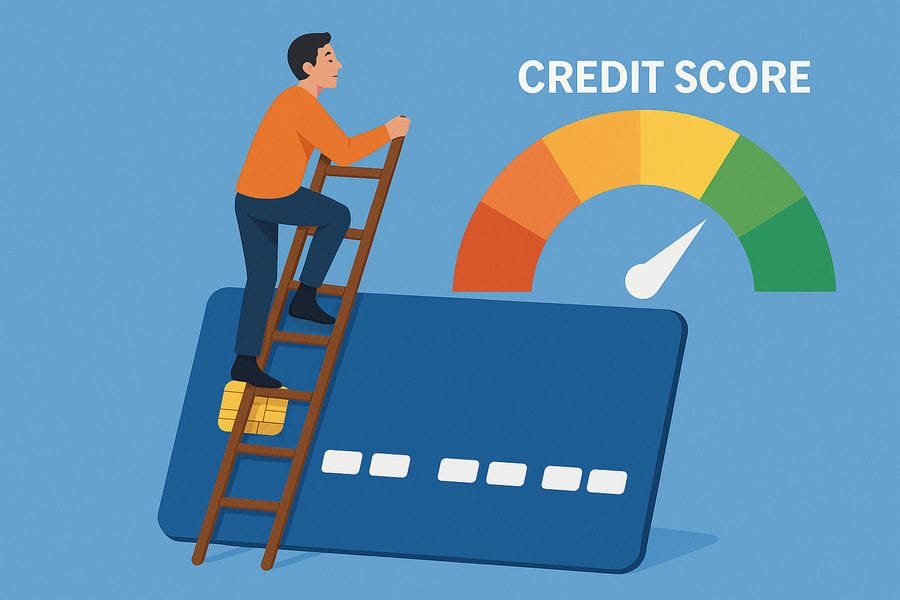
- Your starting credit profile: If you have a thin file with limited credit history, adding an authorized user account can have a dramatic positive effect. If you already have numerous accounts and established credit, the impact will likely be smaller.
- The quality of the account: An account with a long history (10+ years), perfect payment record, and low utilization will provide the most substantial benefit. Accounts with any negative marks will be less helpful or potentially damaging.
- Account age relative to your other accounts: If the account you’re being added to is significantly older than your existing accounts, it can increase your average age of accounts, potentially improving your score more dramatically.
- Credit limit: Being added to an account with a high credit limit can improve your overall credit utilization ratio, especially if your existing accounts have high balances relative to their limits.
In a study tracking 100 individuals who became authorized users on family members’ accounts, the average credit score increase after three months was 32 points. However, results varied widely, with some participants seeing increases of over 60 points and others experiencing minimal changes.
It’s important to understand that while piggybacking can help boost your score in the short term, building a strong credit profile ultimately requires responsible management of your own credit accounts.
What Are the Pros and Cons of Piggybacking Credit?
Pros of Credit Card Piggybacking
- Faster credit building: Piggybacking can accelerate the credit-building process, especially for those with limited or no credit history. Rather than waiting years to establish a solid credit profile, authorized users can benefit from accounts that already have years of positive history.
- Access to better credit terms: With an improved credit score from piggybacking, you may qualify for better interest rates, higher credit limits, and more favorable terms on loans and credit cards.
- No direct financial responsibility: As an authorized user, you’re typically not legally responsible for repaying the debt on the account (though this can vary by issuer and state laws).
- Educational opportunity: For young adults being added to parents’ accounts, piggybacking can provide a practical education in credit management without the full risk of independent credit use.
- Relationship building: Family piggybacking arrangements can strengthen financial bonds and trust between family members.
Cons of Credit Card Piggybacking
- Risk to credit score: If the primary cardholder misses payments or maintains high utilization, your credit score could be negatively affected. You’re essentially tying your credit reputation to someone else’s financial behavior.
- Potential relationship strain: If the primary cardholder runs up debt or misses payments, it can create tension in the relationship. Financial issues are a leading cause of family conflicts.
- Limited effectiveness with newer scoring models: Credit scoring algorithms have become more sophisticated in detecting and reducing the impact of “rented” tradelines, making commercial piggybacking services less effective than they once were.
- Risk to the primary cardholder: The primary cardholder takes on financial risk by adding an authorized user who has access to their credit line.
- Ethical and potential legal concerns: Paying for tradelines through commercial services exists in a gray area and could potentially face regulatory challenges in the future.
- Dependency risk: Relying on piggybacking rather than building your own credit can create a false sense of credit security that disappears if you’re removed from the account.
While I’ve touched on some cons above, it’s worth exploring the potential downsides of piggybacking in greater detail:
Financial Vulnerability
When you piggyback on someone else’s credit, your credit score becomes vulnerable to their financial decisions. If the primary cardholder:
- Misses a payment
- Maxes out the card
- Closes the account
- Files for bankruptcy
Any of these actions could potentially harm your credit score, which is why it’s vital to be very familiar with your benefactor’s credit history and overall level of financial responsibility. The record of the account will also remain on your credit reports even after you are removed as an authorized user, although it will no longer be updated. Instead, it will be treated similarly to other closed accounts.
Potential for Fraud or Misrepresentation
Commercial tradeline services sometimes make exaggerated claims about the benefits of piggybacking. Some less reputable services might engage in practices that could be considered fraudulent, such as temporarily adding users to accounts without the true primary cardholder’s knowledge or consent.
Limitations with Mortgage Applications
Mortgage lenders often review credit reports manually and may discount or entirely ignore authorized user accounts when evaluating loan applications. Fannie Mae and Freddie Mac guidelines allow underwriters to exclude authorized user accounts from consideration if they determine the accounts do not reflect the applicant’s own credit management.
Ethical Considerations
Some financial experts argue that paying for tradelines circumvents the purpose of credit scoring—to assess an individual’s creditworthiness based on their own financial behavior. This raises ethical questions about the practice, particularly when used to obtain credit that one might not qualify for based on their own credit history.
Dependency and Lack of Financial Education
Relying on piggybacking without learning proper credit management skills can create a false sense of financial capability. When the authorized user relationship ends, the individual may find themselves unprepared to maintain good credit on their own.
Impact on the Primary Cardholder
For the primary cardholder, adding an authorized user carries risks:
- Potential liability for charges (depending on the card agreement)
- Risk to their own credit utilization ratio if the authorized user makes purchases
- Privacy concerns, as the authorized user may be able to view transaction history
Credit counselors generally recommend using piggybacking as just one component of a broader credit-building strategy that includes responsible management of your own accounts.
What Is the 2/3/4 Rule for Credit Cards?
The 2/3/4 rule is a guideline used by some credit card issuers, particularly Chase, to limit how many new credit cards an applicant can open within specified timeframes. While not directly related to piggybacking, understanding this rule is important for anyone actively managing their credit profile.
The rule breaks down as follows:
- 2: No more than 2 new credit card applications with the same issuer within 30 days
- 3: No more than 3 new credit cards across all issuers within 90 days
- 4: No more than 4 new credit cards across all issuers within 24 months
This rule is not officially published by credit card companies but has been observed through patterns of approvals and denials. Different issuers may have variations of this rule:
- Chase’s 5/24 rule: You’ll likely be denied for most Chase cards if you’ve opened 5 or more personal credit cards (across all issuers) in the past 24 months
- American Express’s once-per-lifetime rule: You can generally only receive a welcome bonus for each specific Amex card once in your lifetime
- Capital One’s six-month rule: They typically won’t approve more than one card every six months
These rules are relevant to piggybacking because they affect overall credit strategy. If you’re working on building credit, you need to balance authorized user opportunities with applications for your own cards, keeping these issuer rules in mind.
For those using piggybacking to build credit, it’s wise to use the improved credit score to strategically apply for your own credit accounts, being careful not to trigger these rules with too many applications in a short period.
Frequently Asked Questions
Is It Illegal for Someone Else to Pay Your Credit Card Bill?
No, it’s perfectly legal for someone else to pay your credit card bill. There are no laws prohibiting third-party payments on credit card accounts. In fact, many primary cardholders expect authorized users to contribute toward the bill, and many parents pay bills on their adult children’s accounts to help them build credit.
Is It Illegal to Let Someone Borrow Your Credit Card?
Lending your physical credit card to someone else is not illegal, but it may violate your card issuer’s terms of service. Most credit card agreements specify that only the cardholder and authorized users may use the card. While you won’t face criminal charges for lending your card to a friend or family member, the card issuer could potentially close your account if they discover this practice.
Can You Inherit a Credit Score?
No, credit scores cannot be inherited. Credit scores are individual measures of creditworthiness that are built based on your personal credit history. When someone passes away, their credit accounts and credit history are not transferred to heirs. However, if you were an authorized user on a deceased person’s account, that account history will remain on your credit report even after the primary account is closed.
How Long Does It Take for an Authorized User to Show on a Credit Report?
Typically, authorized user status appears on credit reports within 30-60 days after being added to the account. The exact timing depends on the credit card issuer’s reporting cycle and the credit bureaus’ update schedules. Some major issuers like American Express and Chase tend to report more quickly, sometimes within the first billing cycle, while smaller issuers might take longer.
Is a Piggyback Loan a Good Idea?
A piggyback loan (which is different from credit card piggybacking) is a second mortgage taken out simultaneously with a first mortgage, typically to avoid paying private mortgage insurance. Whether this is a good idea depends on your financial situation, interest rates, and housing market conditions. These loans became less common after the 2008 housing crisis but have seen a resurgence in recent years. They can be beneficial in high-cost areas but add complexity and potentially higher overall interest costs to your mortgage.
What Is the Point of Piggybacking?
The primary purpose of piggybacking is to help someone build or improve their credit score more quickly than they could on their own. This practice is particularly valuable for:
- Young adults with no credit history
- People recovering from past credit problems
- Immigrants establishing credit in a new country
- Spouses who have limited credit in their own name
By leveraging the established credit history of the primary account holder, the authorized user can potentially see significant improvements in their credit profile without waiting years to build a history from scratch.
Conclusion
Credit card piggybacking represents a legitimate strategy for building or improving credit when used appropriately. The practice of adding authorized users to credit card accounts has been recognized by credit card issuers and credit scoring models for decades, particularly as a way for family members to help each other establish credit.
As we’ve seen, there are significant benefits to becoming an authorized user on a well-established account with positive payment history and low utilization. The practice can help accelerate credit building, potentially increase credit scores, and provide access to better financial products and terms.
However, piggybacking also comes with notable risks and limitations. Your credit score becomes tied to someone else’s financial behavior, newer credit scoring algorithms have reduced the impact of commercial tradeline arrangements, and there are ethical considerations around “renting” tradelines from strangers.
The most effective approach to credit building combines legitimate piggybacking with responsible management of your own credit accounts. While becoming an authorized user can give your credit a boost, establishing and maintaining your own positive credit history remains essential for long-term financial health.
If you’re considering piggybacking as part of your credit strategy, focus on legitimate family arrangements rather than commercial services, understand that results will vary based on your specific situation, and use the opportunity as a stepping stone toward independent credit management rather than a permanent solution.


