
According to the USDA’s 2022 Census of Agriculture, small farms (those with less than $10,000 in annual sales) represent 50.2% of all U.S. farms, highlighting America’s continued interest in small-scale agricultural pursuits. Whether you’re dreaming of growing your own vegetables or raising livestock, buying a homestead property represents more than just a real estate transaction—it’s an investment in a lifestyle that prioritizes self-sufficiency and connection to the land.

Key Takeaways: Essential Points for Homestead Buyers
- Research zoning laws and agricultural exemptions before making offers
- Budget for infrastructure costs like wells, septic systems, and electrical upgrades
- Consider soil quality, water rights, and climate conditions for your farming goals
- Explore specialized rural financing options beyond conventional mortgages
- Plan for higher maintenance and utility costs compared to suburban properties
- What is a Homestead?
- Understanding Rural Property Investment Fundamentals
- Homestead Financing Options and Rural Mortgages
- Evaluating Land Quality and Agricultural Potential
- Property Zoning Requirements and Restrictions
- Well and Septic Systems: Infrastructure Essentials
- Homestead Tax Exemptions and Financial Benefits
- Land Appraisal Process for Rural Properties
- Sustainable Farming Property Features
- Frequently Asked Questions
- Conclusion
What is a Homestead?
When we talk about buying a homestead property today, we’re referring to rural land intended for self-sufficient living and small-scale agriculture. Modern homesteads typically include a dwelling, outbuildings, and enough acreage to support gardening, livestock, and other agricultural activities that reduce dependence on outside resources.
This concept differs from historical homesteads established under the Homestead Act of 1862. That federal legislation allowed settlers to claim up to 160 acres of public land by living on it and cultivating it for five years. These historical homesteads played a crucial role in westward expansion and settlement patterns across America.
While historical homesteading involved claiming free government land, today’s homestead buyers purchase private property through conventional real estate transactions. The philosophy remains similar—pursuing greater self-sufficiency and connection to the land—but the legal and financial processes are entirely different. In a future article, we’ll look at the history of the Homestead Act and as well as examples of those properties that can still be found on the market today.
Understanding Rural Property Investment Fundamentals
Buying a homestead differs significantly from purchasing a typical suburban home. You’re not just buying a house—you’re investing in land, infrastructure, and potential income-generating opportunities.
Rural properties often come with unique challenges that urban buyers don’t face. The nearest neighbor might be miles away, which sounds romantic until you need help with a emergency. Internet service can be spotty or non-existent in some areas. These realities don’t have to be dealbreakers, but they require honest evaluation of your lifestyle preferences.
Location becomes even more critical when homesteading. You’ll want to balance proximity to essential services with the privacy and acreage you desire. A property that’s completely isolated might seem perfect until you realize the closest veterinarian is two hours away, or that food delivery doesn’t exist in your area.
The agricultural potential of your land directly impacts both your homesteading success and property value. Fertile soil, adequate rainfall, and suitable growing seasons can make the difference between a thriving garden and years of frustration. Speaking of which, many beginning homesteaders underestimate how much physical labor and time successful farming requires.
Homestead Financing Options and Rural Mortgages
Traditional mortgage lenders sometimes shy away from rural properties, especially those with significant acreage or unconventional features. This doesn’t mean financing is impossible—it just requires different approaches.
USDA Rural Development loans offer attractive terms for qualifying properties and buyers. These loans often require no down payment and feature competitive interest rates. However, they come with income restrictions and property location requirements that exclude some areas.
Conventional mortgages remain an option for many homestead purchases, particularly if the property includes a substantial dwelling. Lenders typically feel more comfortable when there’s a solid structure as collateral, even if you plan to renovate extensively.
Owner financing presents another avenue worth exploring. Rural property owners, especially older ones looking to retire, sometimes prefer the steady income stream of seller financing over a lump-sum sale. This arrangement can benefit both parties, offering buyers more flexible terms while providing sellers with ongoing cash flow.
Land contracts or contract for deed arrangements work similarly to owner financing but with different legal structures. The buyer typically receives the deed only after completing all payments, which creates different risk profiles for both parties.
Evaluating Land Quality and Agricultural Potential
Soil testing should rank among your first priorities when evaluating potential homestead properties. A basic soil test reveals pH levels, nutrient content, and organic matter percentages that directly impact what you can grow successfully.
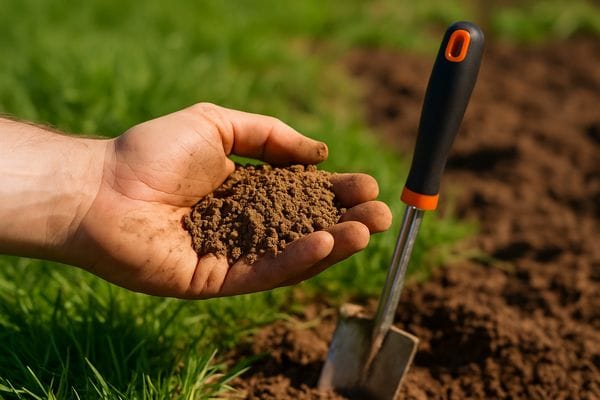
Different crops thrive in different soil conditions. Blueberries prefer acidic soil, while most vegetables grow best in slightly alkaline conditions.
Understanding your soil’s baseline characteristics helps you plan realistic farming goals or budget for necessary amendments.
Water access extends beyond just having a well on the property. You need to understand water rights, which can be surprisingly complex in some regions. Surface water rights, groundwater rights, and riparian rights all operate under different legal frameworks that vary by state.
The property’s topography affects everything from drainage to equipment access. Steep slopes might look picturesque but can present challenges for machinery operation and soil erosion. Flat land is easier to farm but might have drainage issues during heavy rains.
Existing infrastructure saves considerable money and time. A property with established fencing, outbuildings, and agricultural infrastructure represents significant value even if these features need updating or repair.
Property Zoning Requirements and Restrictions
Zoning laws in rural areas can be more complex than suburban regulations. Agricultural zoning typically allows farming activities but might restrict certain livestock types or commercial operations.
Some properties carry deed restrictions or HOA covenants that limit agricultural activities. These restrictions might prohibit livestock, limit the number of animals, or restrict certain types of farming. Always review these documents carefully before making offers.
Building codes for agricultural structures often differ from residential requirements. Understanding what permits you’ll need for barns, chicken coops, or workshops helps you budget accurately for future improvements.
Setback requirements determine where you can place buildings relative to property lines, roads, and water features. These requirements can significantly impact your development plans, especially on smaller properties.
Environmental regulations might affect your farming activities, particularly if your property includes wetlands, streams, or endangered species habitats. While these features can enhance property value and ecological diversity, they also come with compliance responsibilities.
Well and Septic Systems: Infrastructure Essentials
Most rural properties rely on private wells for water supply. Well water quality can vary dramatically based on local geology, nearby activities, and well maintenance history. Testing water quality should be a standard part of your property inspection process.
Well capacity becomes crucial if you plan extensive irrigation or livestock operations. A well that adequately supplies a household might struggle to meet the demands of a market garden or small dairy operation. Understanding your well’s flow rate and recovery time helps you plan realistic water usage.
Septic systems in rural areas often handle not just household waste but also agricultural runoff from dairy operations or food processing activities. The system’s capacity and condition directly impact what activities you can pursue on your property.
Regular septic maintenance costs more in rural areas due to longer travel distances for service providers. Budgeting for pumping, repairs, and eventual replacement helps prevent unpleasant surprises.
Alternative waste management systems like composting toilets or constructed wetlands might be options depending on local regulations. These systems can reduce long-term costs while supporting sustainable living goals.
Homestead Tax Exemptions and Financial Benefits
Agricultural tax exemptions can significantly reduce property taxes for qualifying homestead operations. These exemptions typically require demonstrating legitimate agricultural use and meeting minimum production or income thresholds.
Different states define “agricultural use” differently. Some require minimum acreage, while others focus on income generation or production levels. Understanding your state’s requirements helps you plan activities that maintain your tax benefits.
Homestead exemptions provide additional property tax relief in many states, typically protecting a portion of your home’s value from taxation. These exemptions often have residency requirements and application deadlines.
Conservation easements offer another tax strategy for large properties. By permanently restricting development rights, landowners can receive significant tax deductions while preserving agricultural or natural areas.
Income tax considerations for homestead operations can be complex. Farming activities might qualify for business deductions, but they also create additional reporting requirements and potential audit triggers.
Land Appraisal Process for Rural Properties
Rural property appraisals present unique challenges compared to suburban home valuations. Fewer comparable sales mean appraisers must consider different factors when determining value.
Agricultural income potential affects property values, but quantifying this potential requires expertise in local farming conditions and markets. An appraiser familiar with agricultural properties brings valuable insights to this process.
Unique features like barns, silos, or specialized agricultural equipment can add value but require appraisers with relevant experience.
Highest and best use analysis considers not just current property use but potential alternative uses. A property suitable for residential development might appraise higher than one restricted to agricultural use only.

Market conditions for rural properties can differ significantly from broader real estate trends. Agricultural commodity prices, local economic conditions, and demographic shifts all influence rural property values in ways that don’t affect suburban markets.
Sustainable Farming Property Features
Soil health indicators extend beyond basic fertility testing. Organic matter content, soil structure, and biological activity all contribute to long-term productivity and sustainability.
Existing perennial crops like fruit trees, nut trees, or established pastures represent significant value and time savings. These features can take years to establish from scratch, making properties with mature plantings particularly attractive.
Water conservation features like ponds, cisterns, or irrigation infrastructure support sustainable farming practices while potentially reducing operating costs.
Natural windbreaks and wildlife habitat enhance property value while supporting ecological diversity. These features can provide protection for crops and livestock while creating attractive landscapes.
Renewable energy potential through solar, wind, or micro-hydro systems can reduce operating costs and increase property self-sufficiency. Some properties offer exceptional renewable energy opportunities due to their location and natural features.
Frequently Asked Questions
How much land do I need for a successful homestead?
The answer depends entirely on your goals and local conditions. A well-managed one-acre property can produce substantial amounts of vegetables and support small livestock like chickens or rabbits. However, if you want to raise cattle or horses, you’ll typically need at least five to ten acres per animal, depending on pasture quality and local climate conditions. Many successful homesteaders operate on just a few acres by focusing on intensive gardening, small livestock, and value-added products like preserved foods or crafts.
What’s the biggest mistake first-time homestead buyers make?
Underestimating ongoing costs ranks as the most common error. Rural properties often require more maintenance than suburban homes, and utilities can be significantly more expensive. Well pumps fail, septic systems need pumping, and longer driveways require more maintenance. Additionally, many buyers don’t adequately research local building codes and zoning restrictions, leading to expensive surprises when they want to add agricultural buildings or start certain farming activities.
Should I buy raw land or property with existing buildings?
Both options have merit, but existing buildings usually provide better value for beginning homesteaders. Even outdated structures offer shelter and storage while you develop your property. However, make sure to thoroughly inspect existing buildings for structural issues, code violations, or environmental problems. Sometimes starting fresh with raw land costs less than renovating problematic existing structures, but raw land also means you’ll need temporary housing arrangements during initial development.
How do I find good rural real estate agents?
Look for agents who specialize in agricultural or rural properties and actually live in rural areas themselves. These professionals understand unique challenges like water rights, soil conditions, and agricultural zoning. Ask potential agents about their experience with rural properties, request references from recent rural buyers, and verify they understand local farming practices and regulations. Agents who primarily work suburban markets often miss important rural property considerations.
What should I know about rural internet and utilities?
Rural internet service remains inconsistent in many areas, with some locations still lacking reliable broadband access. Research available providers and actual speeds from current residents, not just what companies advertise as “available.” Utility costs typically run higher in rural areas due to longer service runs and fewer customers sharing infrastructure costs. Propane delivery, electrical service extensions, and phone line installations can involve significant upfront costs that urban buyers don’t face.
How important are water rights when buying rural property?
Water rights can be extremely important, particularly in western states where water law follows different principles than eastern states. In some areas, surface water rights and groundwater rights are separate legal entities that can be sold independently of land. Before purchasing, verify what water rights convey with the property and research any restrictions on water use. Some properties have wells but lack legal rights to the groundwater, creating potential legal issues.
What’s involved in getting agricultural tax exemptions?
Agricultural tax exemptions typically require demonstrating legitimate farming activities and meeting minimum thresholds for production or income. Requirements vary significantly by state and local jurisdiction. You might need to show minimum acreage in production, generate specific income levels, or produce certain quantities of agricultural products. Some areas require detailed records of farming activities and expenses. Research requirements before purchasing to ensure your planned activities will qualify for available exemptions.
Conclusion
Buying a homestead property requires more research and planning than typical real estate transactions, but the rewards of rural property ownership extend far beyond financial returns. From the satisfaction of growing your own food to the peace of rural living, homestead ownership offers lifestyle benefits that many find invaluable.
Success in rural property investment depends on realistic expectations and thorough preparation. Take time to understand local conditions, research financing options, and plan for the unique challenges rural properties present. The extra effort invested in proper due diligence pays dividends in years of successful homestead living.
Remember that homesteading is a journey, not a destination. Your property will evolve as you gain experience and refine your goals. Start with manageable projects and expand gradually as your skills and resources develop. The rural lifestyle offers rewards that make the initial challenges worthwhile for those who approach it with proper preparation and realistic expectations.